TMJ
The Hidden Connection Between Your Bite, Jaw Pain, and Headaches
 By Dr. Vu D. Tran, DMDUpdated Apr 23, 20267 min read
Most people associate headaches with stress, dehydration, screen time, sinus pressure, or lack of sleep. While these factors can certainly play a role, another potential contributor is frequently overlooked: the relationship between the teeth, jaw joints, and surrounding muscles.
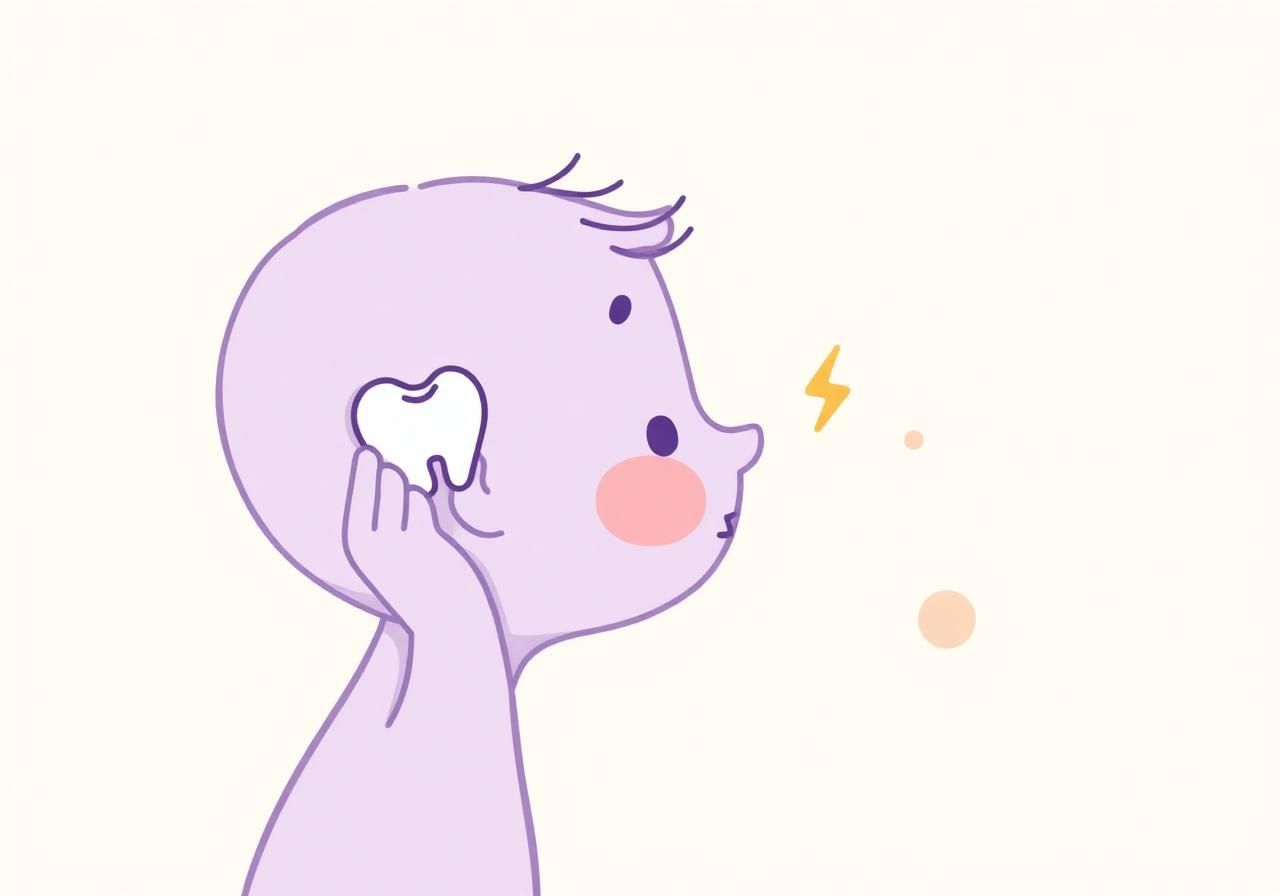
Why Many Headaches Start Outside the Head
Most people associate headaches with stress, dehydration, screen time, sinus pressure, or lack of sleep. While these factors can certainly play a role, another potential contributor is frequently overlooked: the relationship between the teeth, jaw joints, and surrounding muscles.
In some cases, recurring headaches may be connected to more than neurological or lifestyle factors alone. The way your jaw functions and how your bite comes together can directly influence the muscles and joints responsible for everyday movement. When your bite is misaligned, your jaw muscles must work overtime to compensate, creating a ripple effect of chronic tension that travels upward into the skull. Understanding this structural link is the first step toward finding a permanent solution rather than just masking the symptoms.
The Jaw Is One of the Most Active Joints in the Body
The temporomandibular joints, commonly known as the TMJs, connect the lower jaw to the skull and play a critical role in speaking, chewing, swallowing, and facial expression. Every single day, these joints work alongside a complex network of muscles, ligaments, teeth, and supporting structures to perform thousands of precise movements.
When everything functions in harmony, these movements occur without conscious effort. However, when that harmony is disrupted whether by missing teeth, structural misalignment, or trauma, the body is forced to compensate. Over time, those continuous compensations create deep structural stress throughout the system, sometimes extending far beyond the jaw itself and radiating into the neck, shoulders, and head.
How Bite Problems Can Affect the Entire System
Your bite refers to the way your upper and lower teeth fit together. When the bite is perfectly balanced, the muscles and joints responsible for jaw movement function efficiently and rest comfortably. When imbalances are present, the surrounding structures are forced to work much harder just to maintain normal, daily function.
Over time, that relentless strain can contribute to a cascade of painful symptoms throughout your upper body. It often manifests as localized jaw pain and facial soreness from constant muscle overwork. This strain frequently triggers tension headaches radiating from the temples, while neighboring muscle groups in the neck and shoulders tighten up to stabilize the jaw. Furthermore, a misaligned bite can trigger severe nighttime teeth grinding, leading to uneven tooth wear, fractures, and premature dental damage.
Not every headache originates from a bite issue. However, jaw dysfunction is often the hidden, overlooked piece of the puzzle for individuals experiencing chronic symptoms that fail to respond to traditional medical treatments.
Common Signs That Your Bite May Be Contributing to Symptoms
Because the symptoms of TMJ dysfunction can develop gradually over several years, the connection between your jaw and your everyday physical discomfort is incredibly easy to miss. Keep an eye out for these frequent warning signs:
Frequent headaches, especially upon waking up in the morning.
Audible jaw clicking, popping, or grating sounds when eating or speaking.
Persistent facial tension or a tired feeling in your jaw muscles.
Difficulty opening your mouth wide or moving it comfortably from side to side.
Chronic neck, shoulder, and upper back tension.
A bite that consistently feels uneven, off, or completely inconsistent.
These signs vary significantly from person to person, which is why a specialized, comprehensive evaluation is absolutely vital to pinpointing the root cause.
The Role of Teeth Grinding and Clenching
Teeth grinding and clenching, also known clinically as bruxism, often occur completely without your conscious awareness, particularly during deep sleep cycles. Repeated clenching places immense, destructive pressure on the teeth, muscles, and jaw joints.
Over months or years, that sustained nighttime stress directly translates into severe morning headaches that feel like a tight band around the forehead, alongside chronic muscle fatigue and facial soreness upon waking. It also causes accelerated tooth wear, enamel erosion, painful tooth fractures, and increased joint strain that can lead to progressive degradation of the TMJ disc. Permanently addressing the underlying physical and structural factors that contribute to clenching is an essential part of restoring your long-term comfort and protecting your smile.
Why Symptoms Don't Always Reveal the Root Cause
One of the greatest challenges in treating headaches and jaw discomfort is that symptoms rarely tell the whole story on their own. Traditional medicine tends to treat headaches isolated as headaches, jaw pain strictly as jaw pain, and neck tension solely as a muscular or orthopedic issue.
In reality, these concerns are frequently and deeply interconnected. Dr. Vu takes a comprehensive diagnostic approach that carefully analyzes the relationship between your teeth, bite alignment, muscle activity, jaw joints, and overall oral function. Rather than focusing solely on where the pain appears, the goal is to identify exactly what is driving it. This philosophy uncovers critical contributing factors that are easily missed when symptoms are viewed in isolation by separate specialists.
Why a Comprehensive Evaluation Matters
When multiple physical systems are involved, an accurate diagnosis requires much more than a quick visual examination during a routine cleaning. A comprehensive TMJ and bite evaluation maps out your entire structural system by focusing on:
Jaw Joint Function: Tracking active movements and checking for joint noises.
Bite Relationships: Analyzing exactly how your teeth meet and distribute pressure.
Muscle Activity: Measuring tension and tenderness across the face, jaw, and neck.
Wear Patterns: Reviewing tooth surfaces for indicators of active grinding.
Airway Factors: Evaluating developmental elements that might trigger nighttime bruxism.
The core objective is to develop a complete, structural understanding of how your entire system functions before any treatment recommendations are made. Without this precise map, even well-intentioned treatments may fail to address the underlying cause of your pain.
How TMJ Therapy May Help
Treatment recommendations are never one-size-fits-all; they vary entirely based on the findings of your comprehensive evaluation. Some individuals benefit from minor lifestyle modifications, targeted stretching, and careful observation. Others may require custom oral appliances like stabilization splints or nightguards, targeted bite optimization, specialized orthodontic treatment, or restorative care designed to structurally rebuild an even bite and reduce joint strain. Long-term relief comes from understanding exactly why your symptoms developed in the first place, rather than simply managing the discomfort after it appears.
Frequently Asked Questions
Can TMJ Disorders Cause Headaches?
Yes. TMJ dysfunction places immense, continuous strain on the muscles and joints responsible for jaw movement. This localized tension frequently radiates upward into the skull, contributing to chronic tension headaches, facial discomfort, and pain around the temples. While not every headache stems from a bite issue, jaw dysfunction is a commonly overlooked culprit.
How Do I Know If My Headaches Are Related to My Bite?
If your recurring headaches are accompanied by jaw clicking, popping, facial tension, or difficulty chewing, your bite may be the cause. Another major indicator is waking up with a dull headache or a sore jaw, which points to nighttime grinding. A comprehensive evaluation is the most definitive way to determine whether a bite imbalance is driving your symptoms.
Can Teeth Grinding Cause Jaw Pain?
Yes. Chronic grinding and clenching force your jaw muscles to contract under massive pressure for hours at a time. This constant overwork causes severe muscle fatigue, lactic acid buildup, and inflammation in the temporomandibular joints, leading directly to chronic jaw pain, headaches, and structural tooth damage.
What Are the Most Common Symptoms of TMJ Dysfunction?
The most frequent symptoms include jaw joint pain, tension headaches, facial soreness, clicking or popping sounds when opening your mouth, limited range of motion, chronic neck and shoulder tension, and an uneven or uncomfortable bite. These symptoms can range from mild, intermittent annoyance to debilitating daily pain.
How Is TMJ Dysfunction Diagnosed?
Diagnosis requires a specialized, multi-layered evaluation that goes far beyond a standard dental checkup. Dr. Vu examines the range of motion in your jaw joints, measures muscle tenderness, analyzes how your teeth fit together, and reviews tooth wear patterns. Advanced diagnostic imaging may also be utilized to get a clear look at the internal health of the joint structures.
Schedule Your TMJ & Bite Evaluation
If you are ready to stop guessing what is causing your chronic headaches or jaw pain, our team is here to provide clear answers and trusted guidance. Let us help you take the first step toward lasting, comfortable relief.
Finding Real Relief for Your Jaw and Smile
Persistent headaches, facial tension, and jaw discomfort can slowly drain your quality of life, making everyday actions like eating or laughing incredibly stressful. Living with these symptoms for months or years can make them feel normal, but chronic pain is never normal. Lasting relief always begins with an accurate diagnosis. Once we identify the true source of your structural imbalance, we can build a personalized treatment strategy completely focused on long-term stability, function, and comfort.
At our practice, we specialize in helping our neighbors throughout Fairfax, Vienna, Oakton, and the surrounding Northern Virginia communities finally understand the hidden relationships causing their pain. Dr. Vu and our dedicated clinical team combine advanced diagnostics with a compassionate, comprehensive approach to get you out of pain and protect your long-term oral health. You deserve to focus on living your life, not managing your symptoms.
Have a similar concern?
Every case starts with a comprehensive structural assessment. Reach out to discuss your own treatment options with Dr. Vu.
Contact Pristine Smile