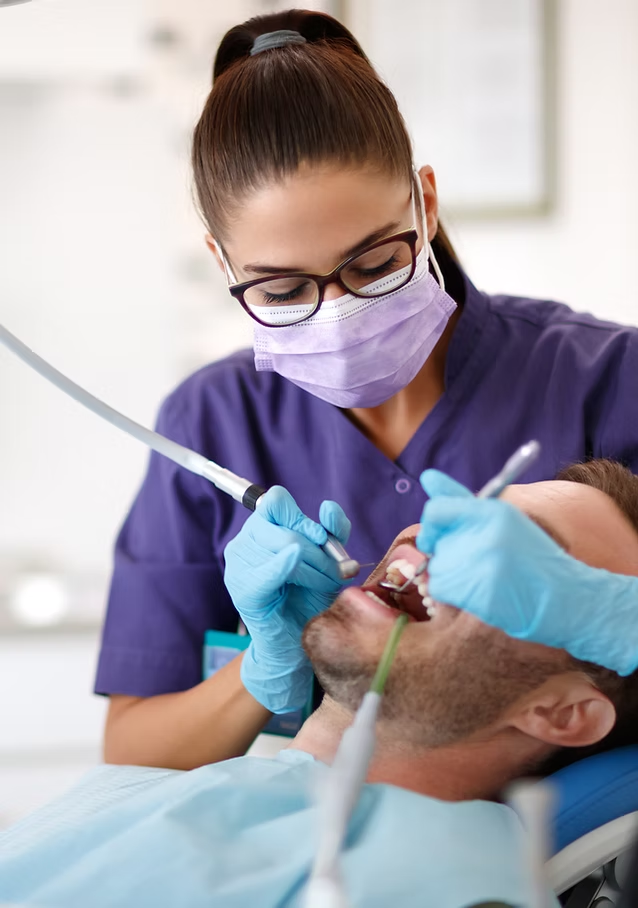
Every visit is an opportunity to detect concerns early, protect your gums, monitor changes in your oral health, and help prevent more complex dental problems from developing in the future. Every day, a sticky layer of bacteria known as plaque forms on the teeth and along the gumline.
If it is not removed consistently, it can harden into tartar, creating an environment where cavities, gum disease, and chronic inflammation begin to develop. Professional dental cleanings allow us to safely remove these deposits while comprehensive examinations help identify potential concerns before they become painful, costly, or difficult to treat.
Using modern digital imaging, detailed oral evaluations, and gentle hygiene techniques, our team provides preventive care designed to protect your oral health, preserve your natural teeth, and keep your smile healthy and confident for years to come. We believe exceptional preventive dentistry should feel thorough, educational, comfortable, and completely tailored to your individual needs.