TMJ Health
Why Expanding the Arch Trumps Extractions for Lifelong TMJ Health
 By Dr. Vu D. Tran, DMDUpdated Apr 02, 20265 min read
Every week, parents walk into my practice seeking answers for their teenagers' crowded teeth. The traditional, decades-old orthodontic recommendation is almost always the same: "We need to extract the first premolars to make room, and then pull the remaining teeth back into alignment with braces."
Every week, parents walk into my practice seeking answers for their teenagers' crowded teeth. The traditional, decades-old orthodontic recommendation is almost always the same: "We need to extract the first premolars to make room, and then pull the remaining teeth back into alignment with braces."
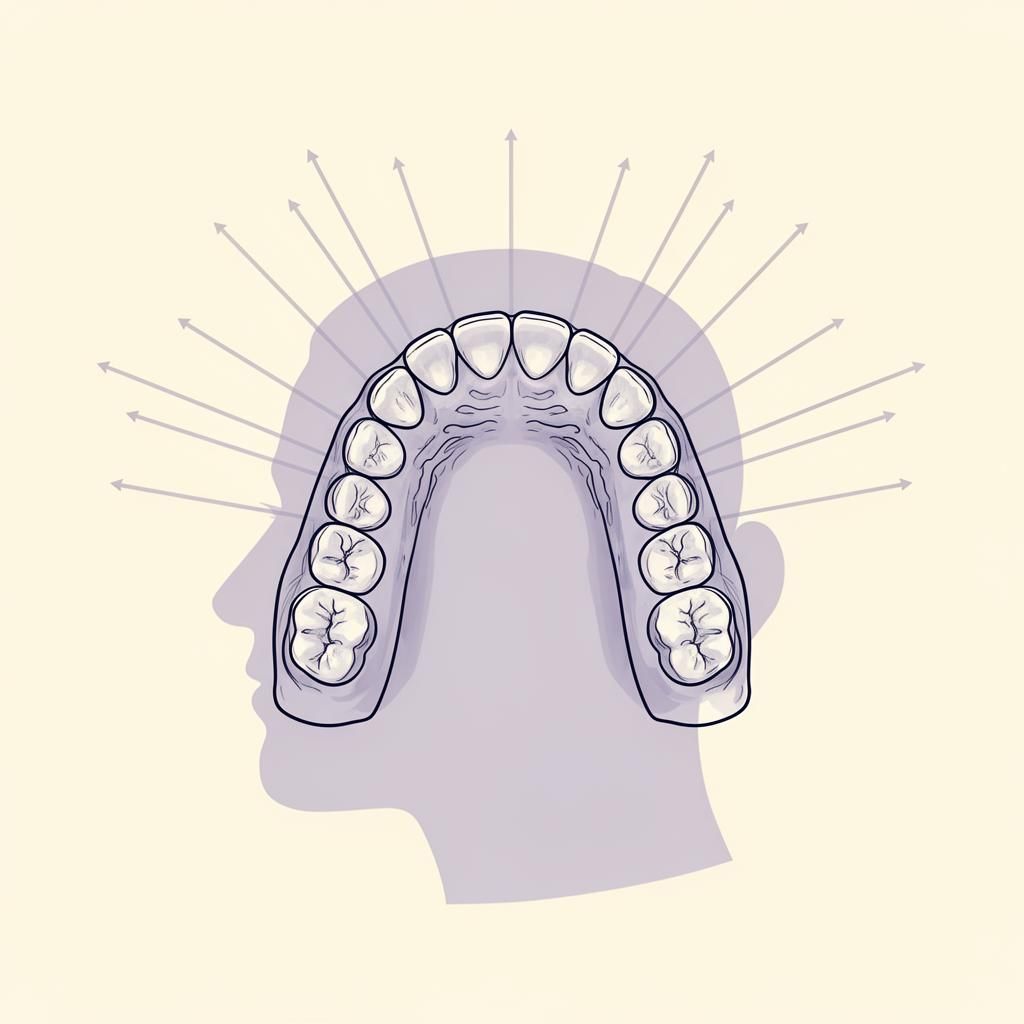
But when you look past the surface symptom of crooked teeth and analyze the underlying bone structure, a critical question arises: Why would you extract teeth and push them back into a smaller, already constricted mouth?
In this clinical case study, I want to review the long-term transformation of one of my patients who started treatment at age 15. This case demonstrates exactly why forcing a mouth to grow through arch expansion delivers a beautiful smile, preserves a strong jaw profile, and protects a lifetime of pain-free temporomandibular joint (TMJ) function.
The Clinical Challenge: Severe Overcrowding & Underdevelopment
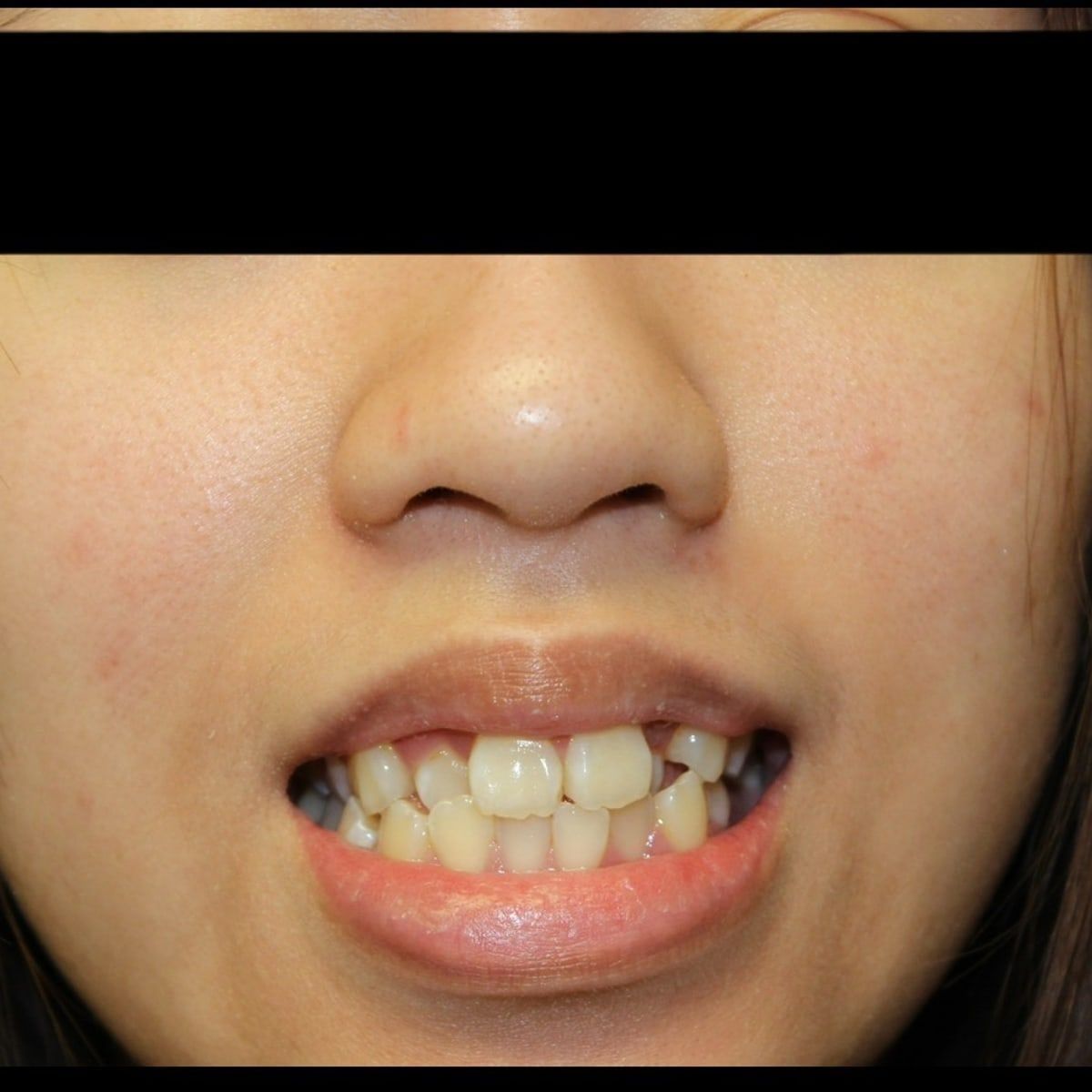
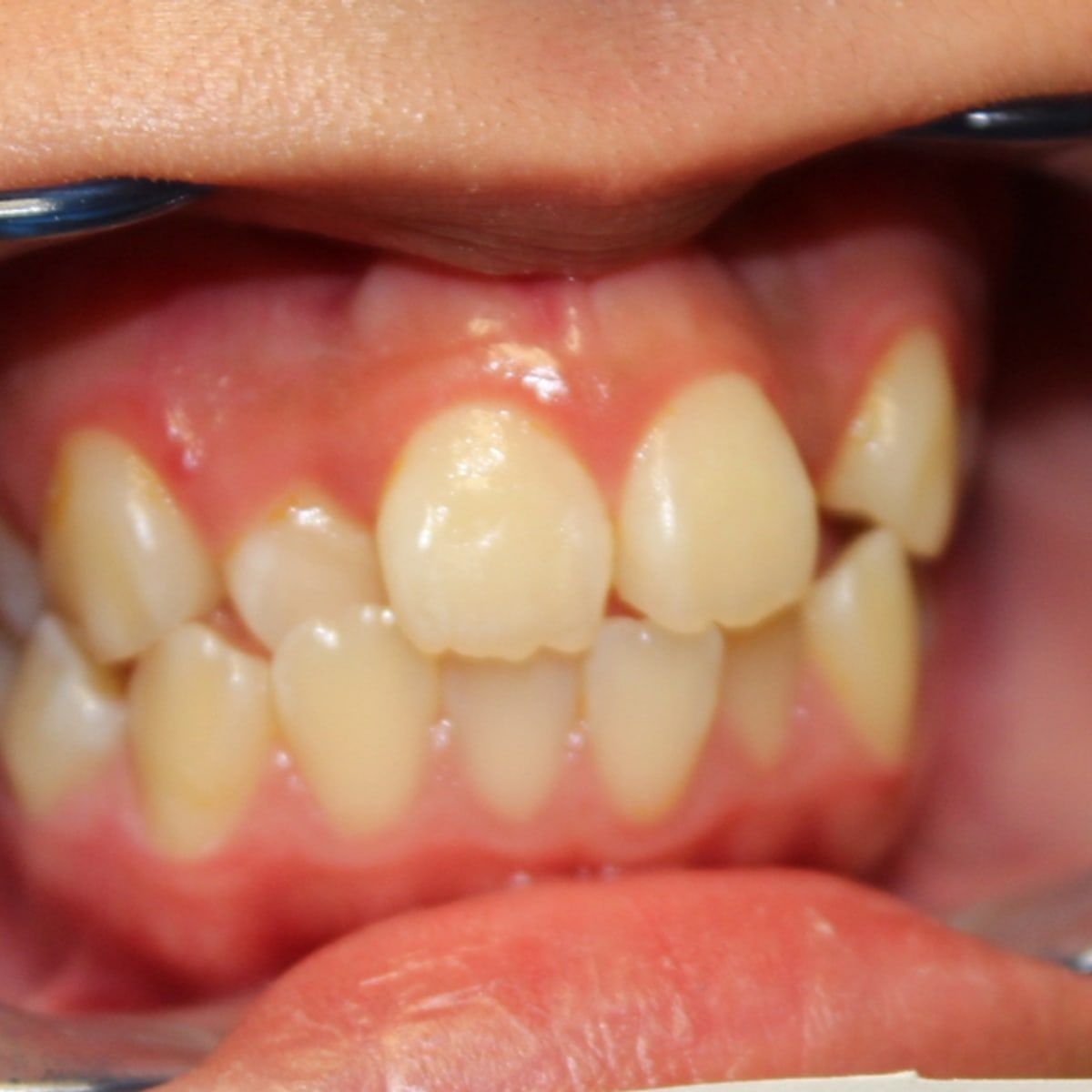
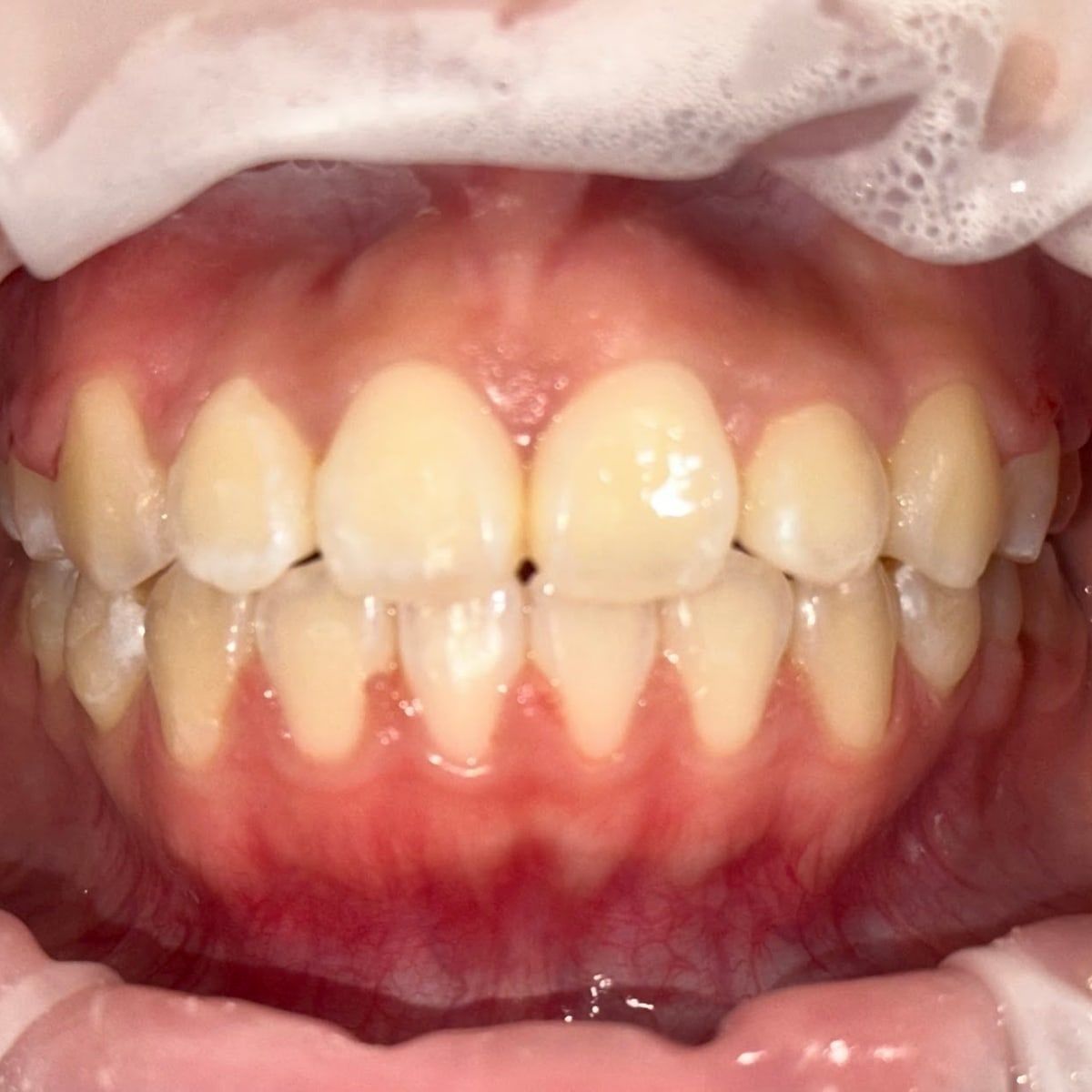
This patient presented to me at age 15 with severe upper and lower dental crowding. A previous clinical evaluation from another practitioner had recommended the routine extraction of her four first premolars, followed by traditional orthodontics to pull the remaining teeth into straight rows.
Noticeable upper and lower dental crowding.
A visibly narrow smile framework.
The teeth are bunched together because the underlying bone support lacks width.
The Root Cause: Underdevelopment, Not "Too Many Teeth"
When teeth are crowded, the crowding is simply a visual symptom; it is not the root cause. The true underlying issue is that the upper and lower arches are prematurely developed. The jaw bone has simply not properly expanded to allow the natural, full eruption of the permanent teeth.
Extracting teeth in this scenario doesn't fix the bone deficiency; it just hides it by shrinking the dental arch to fit an underdeveloped jaw. Furthermore, this structural constriction directly damages the jaw joint. In this patient’s initial presentation, I observed a clear domino effect:
The Upper Arch Blockade: Her upper arch was narrow and physically restricted.
The Trapped Lower Jaw: Because the lower jaw closes inside the upper arch, it was forced backward into a retruded position, causing weak jawline development.
Joint Compression: Because the narrow upper arch acted like a tight, restrictive cap, the lower jaw could not develop or move forward naturally to stabilize the TMJ.
Choosing extractions in a patient with an already small, constricted arch locks the lower jaw into a permanent, traumatic position for the TMJ.
The Extraction-TMJ Connection: A Highly Predictable Trajectory
A striking pattern emerges when looking at adult patients suffering from severe, chronic jaw pain, clicking joints, and migraines. Nearly every severe TMJ patient I have encountered in my clinical career has a history of first premolar extractions.
When an underdeveloped arch is forced to become even smaller through extractions, the long-term biological consequences are highly predictable:
1. Weakened Facial Muscles & Poor Muscle Balance
When teeth are removed and the arch is pulled backward, the natural muscle support of the cheeks and lips collapses. This results in weak facial muscles, poor muscle tone, and an inherently unbalanced bite that forces the chewing muscles to overwork and spasm.
2. Deep Bite Collapse
Without the structural support of the missing premolars, the dental arches lose vertical height. Over time, the bite tends to cave inward, falling further into a severe deep bite. This causes the front teeth to retrocline, or tilt backward, locking the lower jaw even further back and permanently compressing the delicate nerves and vessels in the TMJ capsule.
3. Chronic Relapse & Spacing Issues
The human body has an innate blueprint for where its teeth and tongue belong. Years after extraction therapy, the tongue will continually push against the teeth in an attempt to widen the mouth and open the airway. This structural conflict leads to an unstable bite and frequently causes gaps and spacing to open back up later in life.
The Treatment Pathway: Choosing Growth Over Reduction
Instead of reducing the size of this patient's mouth to hide a bone deficiency, I chose a proactive approach. We opted to allow her arch to grow and expand naturally as she transitioned from age 15 to 18. Our goal was to expand the bone support to accommodate all of her permanent teeth while balancing her TMJ mechanics from the foundation up.
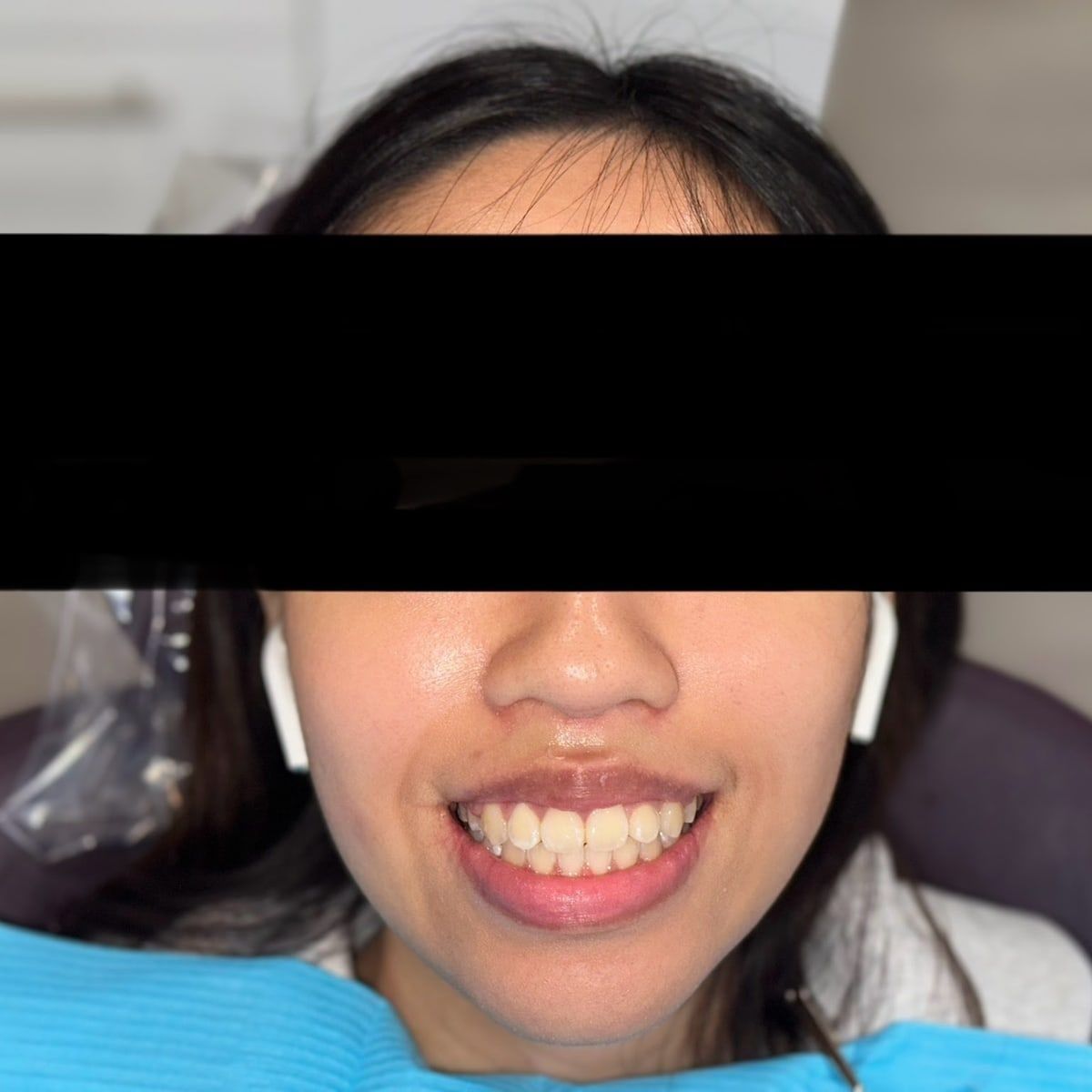
A broad, radiant, and symmetrical smile.
Flawless tooth alignment achieved naturally without missing premolars.
Healthy, robust gum tissue margins and a stabilized bite tracking system.
By widening the upper arch, we unlocked the lower jaw, allowing it to move forward naturally into its optimal, balanced position. This completely relieved the pressure on her jaw joint while providing the structural space needed for perfect tooth alignment.
The Transformation Milestone: A Balanced Future
By treating the developmental cause rather than just the cosmetic symptom, we achieved an exceptional, long-term clinical outcome for this patient by the time she reached age 18:
Flawless Cosmetics: A wide, stunning smile that fills out the corners of her mouth perfectly, providing excellent lip support and beautiful facial symmetry.
Full Structural Retention: Full retention of all her natural permanent teeth, preserving her full facial volume and preventing a sunken, prematurely aged profile.
True Joint Stability: A stable, comfortable bite tracking path that keeps the lower jaw forward, ensuring a healthy, balanced, and pain-free future for her TMJ.
Straightening teeth is relatively straightforward, but building a healthy, balanced facial foundation requires deep structural intent from an early age. If you are noticing signs of crowded teeth, an underbite, or a shifting jawline in your teenager, remember that crowding is a bone growth problem, not a tooth problem. Forcing a mouth to become smaller through extractions can lock a child into a traumatic structural position for life.
Protecting your child’s health span means looking beyond just "straight teeth." I welcome you to visit our Fairfax office for a comprehensive evaluation, allowing us to choose a treatment pathway that respects natural growth, safeguards jaw joint stability, and builds a healthy foundation for the rest of their life.
The Transformation
Before & After
Drag the slider to compare the clinical starting point with the final outcome.
Why Expanding the Arch Trumps Extractions for Lifelong TMJ Health
TMJ Health
Have a similar concern?
Every case starts with a comprehensive structural assessment. Reach out to discuss your own treatment options with Dr. Vu.
Contact Pristine Smile